
Habit formation
Micro habits: why small habits stick
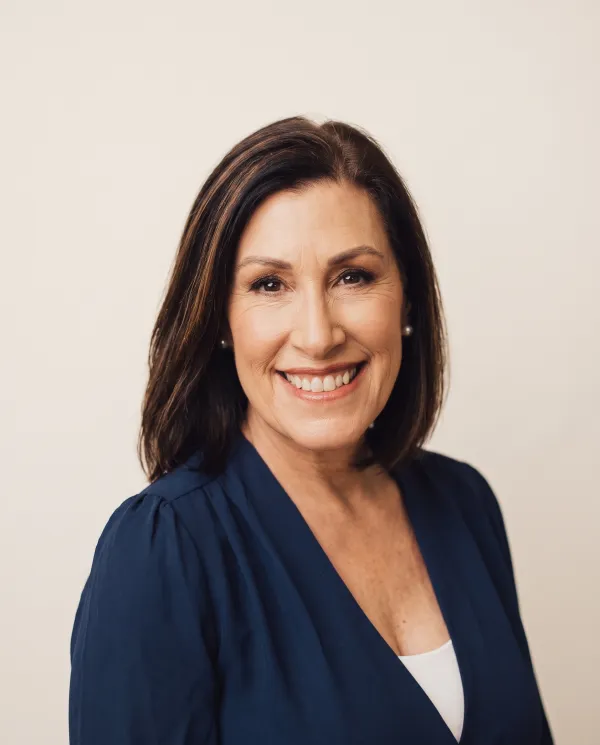 By Linda Fogg-Phillips, M.S., CEO and Co-Founder of Tiny Habits Academy · Updated November 2026
A micro habit is a new behavior shrunk so small that you can do it even when motivation is low, like flossing one tooth or doing two push-ups. Small habits stick because they don't depend on willpower. Attach one to a routine you already have, celebrate right after, and it can become automatic.
What are micro habits?
Micro habits are very small versions of the behaviors you want in your life. Instead of "exercise for 30 minutes," you do two push-ups. Instead of "meditate every morning," you take three slow breaths. Aim for a habit you can do on your worst day.
You'll see "micro habits" used loosely online, because it's a general term. My brother, Dr. BJ Fogg, is a behavior scientist at Stanford, and he developed a specific method for building them called Tiny Habits. In his method, a tiny habit is a behavior you do at least once a day, that takes less than 30 seconds, and that requires little effort (Tiny Habits, Welcome).
Use those three limits as a test. If your micro habit takes five minutes or needs real effort, shrink it again.
Why do small habits stick when big ones fade?
Small habits keep happening when motivation drops. BJ's model says a behavior happens when three things come together at the same moment: Motivation, Ability and a Prompt. He writes it as B=MAP. If any one of the three is missing, the behavior doesn't happen (Fogg, 2009; behaviormodel.org).
Most habit advice tries to pump up your motivation. The trouble is that motivation goes up and down on its own, and BJ calls this the Motivation Wave. On a good day you can talk yourself into a hard workout. On a tired Tuesday, you'll only do what's easy.
Ability is the part you can design. In the Fogg Behavior Model, motivation and ability trade off along a curve called the Action Line. A hard behavior needs a lot of motivation to get over the line, and a very easy one gets over it even when motivation is low. When a prompt shows up and the behavior sits above the line, you do it. When it sits below, the prompt fails (behaviormodel.org).
Making a behavior micro moves it above the line. At 11 p.m., flossing all your teeth might fall below it, but flossing one tooth won't. Our guide to the Fogg Behavior Model explains the Action Line in more detail.
There's one more reason small habits last: you succeed at them. BJ teaches that feeling successful is what wires a habit in. That's the job of the celebration, and it's the step most people skip.
How do you build a micro habit with the Tiny Habits recipe?
You write a short recipe with three parts. BJ calls them the ABCs: an Anchor, a tiny Behavior and a Celebration. The recipe reads, "After I [anchor], I will [tiny behavior]." Then you celebrate right away. Each part takes care of one piece of B=MAP.
Anchor: what reminds you?
An anchor is something you already do every day, like brushing your teeth or starting the coffee maker. It's the prompt for your new habit. Since the routine happens anyway, you don't need a sticky note or an app alert.
Pick the very last action in that routine, which BJ calls the trailing edge. "After breakfast" is fuzzy. "After I put my plate in the dishwasher" is clear. The anchor should also happen in the same place as the new habit, and about as often. Our guide on habit stacking vs. Tiny Habits anchors covers how to choose a strong anchor.
Tiny behavior: what's the smallest version?
This is the habit you want, shrunk to under 30 seconds, and it takes care of ability. It's so easy you can do it no matter how you feel.
If something this small seems pointless, remember that you're building the habit first. You can do more any day you want to. Two push-ups can turn into ten on a day you have the energy, and the extra eight are a bonus.
Celebration: how do you make it feel good?
Right after the behavior, do something that gives you a good feeling: a fist pump, a smile, or a quick "Nice!" to yourself. BJ calls that feeling Shine.
He puts his conclusion in three words: "Emotions create habits. Not repetition. Not frequency. Not fairy dust. Emotions" (Fogg, TED Ideas, 2020). He discovered celebration while flossing one tooth on a very hard day. He smiled in the mirror, said "Victory!" and felt calmer, and that good feeling made him want to do it again.
Celebrating may feel silly at first. Try a few until you find one that feels natural to you, then use it every time.
What are some examples of micro habits?
Here are five recipes BJ uses to teach the method (Tiny Habits, Welcome), plus a few more in the same format that you can adapt. Add your own celebration after each one.
| If you want to... | Micro habit recipe |
|---|---|
| Floss every day | After I brush, I will floss one tooth. |
| Start journaling | After I pour my morning coffee, I will open my journal. |
| Get stronger | After I pee, I will do two push-ups. |
| Feel calmer on your commute | After I sit down on the train, I will take three deep breaths. |
| End the day on a good note | After I put my head on the pillow, I will think of one good thing from my day. |
| Drink more water | After I start the coffee maker, I will fill a glass of water. |
| Read more | After I get into bed, I will read one paragraph. |
| Walk more | After I finish lunch, I will put on my walking shoes. |
Notice that every recipe starts with something specific you already do, and the new behavior takes only seconds.
How long does it take a micro habit to become automatic?
There's no fixed number. The best-known study of habit formation comes from Phillippa Lally and her colleagues at University College London, who followed volunteers as they repeated one daily behavior in the same context. Among the 39 people whose data fit the model well, the median time to reach their automaticity plateau was 66 days. The range ran from 18 to 254 days (Lally et al., 2010).
Two details from the study are worth knowing. People who picked a drinking behavior, such as a bottle of water with lunch, reached the plateau in a median of 59 days, compared with 91 days for exercise. The authors found that difference was not statistically significant, so treat it as a hint. They also found that "missing one opportunity to perform the behaviour did not materially affect the habit formation process." If you miss a day, you don't have to start over.
BJ teaches that a habit can wire in faster than these averages suggest when a strong positive emotion follows the behavior. That's why every recipe includes a celebration. Our guide on how long it takes to form a habit covers the research in full.
Do micro habits stay small forever?
The daily minimum stays small. What you actually do often grows. In BJ's words, "set the bar low, keep it low, overachieve whenever you feel like it, but don't raise the bar" (Osmosis podcast, 2022).
That low bar is what protects the habit on hard days. If you raise your two push-ups to twenty, the habit needs motivation again.
Small habits change how you see yourself, too. BJ describes this as an identity shift: "When you feel successful doing something tiny, that's what changes your identity." Flossing one tooth can lead to "I'm the kind of person who takes care of my teeth," and from there to other healthy behaviors (Osmosis podcast, 2022).
What should you do if a micro habit isn't sticking?
Before you blame yourself, redesign the habit. BJ recommends checking the three parts of B=MAP in order and stopping when you find the problem:
- Prompt: is the anchor specific, and does it happen every day in the same place? If you keep forgetting, move the habit to a clearer trailing edge.
- Ability: is the behavior truly tiny? If you remember but skip it, shrink it again. Instead of doing a stretch, just get out the yoga mat.
- Motivation: do you actually want this habit? Check this one last. If the answer is no, pick a different behavior that serves the same goal.
If you do the habit for a week and then it fades, look at your celebration. A habit that feels like a chore wires in the wrong feeling, so find a celebration that gives you a real moment of Shine.
The same thinking works in reverse for habits you want to stop. Our guide on how to break a bad habit walks you through it.
For coaches: teaching micro habits to clients
Many clients come to you sure they lack willpower. B=MAP lets you talk about a stalled habit without any blame. Ask three questions: Was there a clear prompt? Was it easy enough? Did you want to do it? Most of the time the fix is a better anchor or a smaller behavior.
Coaching the celebration takes practice, because it's the step adults find most awkward. The Tiny Habits Coach Certification trains coaches to run this diagnosis and to coach celebration with clients.
Try it for five days, free
The easiest way to learn the method is to practice it. The free 5-day Tiny Habits program takes about 25 minutes to set up over a weekend, then about 3 minutes a day, Monday to Friday. A certified Tiny Habits coach checks in with you each afternoon.
Frequently asked questions
What is a micro habit?
A micro habit is a very small version of a behavior you want to make automatic, like one push-up or one sentence in a journal. In BJ Fogg's Tiny Habits method, a tiny habit takes less than 30 seconds, needs little effort, and is done at least once a day.
Are micro habits and Tiny Habits the same thing?
"Micro habits" is a general term for any habit made very small. Tiny Habits is the specific method created by Dr. BJ Fogg, a behavior scientist at Stanford. Along with shrinking the behavior, it adds two steps: attach it to an existing routine (the anchor), and celebrate right after to create a positive feeling.
Why do micro habits work?
Because they don't depend on motivation. Under the Fogg Behavior Model (B=MAP), a behavior happens when motivation, ability and a prompt meet. A tiny behavior is so easy that it happens even when motivation is low, as long as there's a reliable prompt.
What are good examples of micro habits?
Floss one tooth after brushing. Do two push-ups after using the bathroom. Take three deep breaths after you sit down on the train. Think of one good thing from your day after your head hits the pillow. Each one starts with a routine you already have.
What if I miss a day?
Just pick it up again the next day. In Lally's 2010 study of habit formation, missing one opportunity to perform the behavior did not materially affect the habit formation process. If you're missing often, the habit probably needs a clearer anchor or a smaller behavior.
How long should a micro habit take?
In the Tiny Habits method, under 30 seconds. If it takes longer, or feels like effort on a tired day, make it smaller. You can always do more on days you feel like it.
Sources
- Fogg, B.J. (2009). A behavior model for persuasive design. Proceedings of the 4th International Conference on Persuasive Technology, Article 40. ACM. doi.org/10.1145/1541948.1541999
- Fogg, B.J. Fogg Behavior Model. behaviormodel.org
- Fogg, B.J. (2019). Tiny Habits: The Small Changes That Change Everything. Houghton Mifflin Harcourt. (Source for the ABC recipe, trailing edge, Shine and the Motivation Wave.)
- Fogg, B.J. Welcome to Tiny Habits. tinyhabits.com/welcome (definition of a tiny habit; the five example recipes)
- Fogg, B.J. (2020, January 6). How you can use the power of celebration to make new habits stick. TED Ideas. ideas.ted.com/how-you-can-use-the-power-of-celebration-to-make-new-habits-stick
- Osmosis (2022, March 10). One key to behavior change? Set the bar low and keep it there: Dr. BJ Fogg [podcast transcript]. osmosis.org/podcast/behavior-change-through-tiny-habits-dr-bj-fogg
- Lally, P., van Jaarsveld, C., Potts, H., & Wardle, J. (2010). How are habits formed: Modelling habit formation in the real world. European Journal of Social Psychology, 40(6), 998–1009. doi.org/10.1002/ejsp.674