
Habit formation
Good habits: 40 tiny habits you can start today
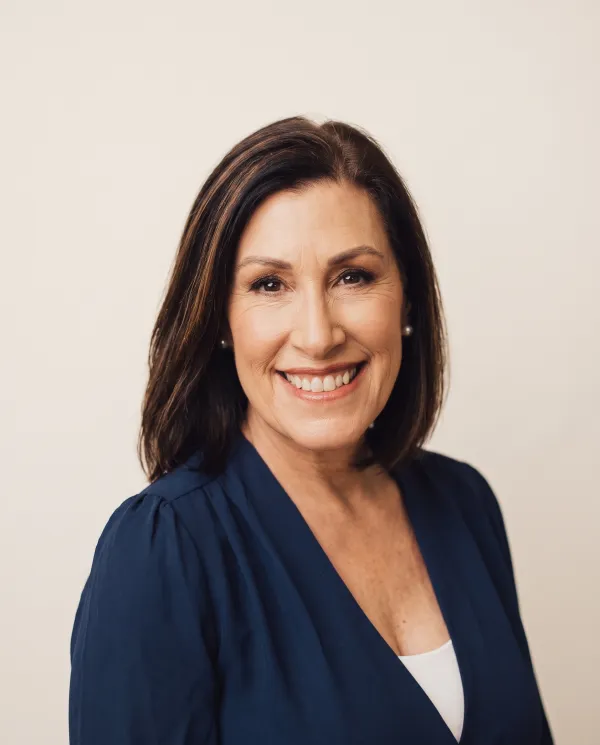 By Linda Fogg-Phillips, M.S., CEO and Co-Founder of Tiny Habits Academy · Updated November 2026
Good habits are behaviors you do automatically that help you live the way you want to. The quickest way to build one is to start tiny: attach a behavior that takes under 30 seconds to something you already do, then celebrate right away. Below are 40 Tiny Habits recipes you can start today, grouped by area of life.
What makes a habit "good"?
A habit is something you do without much thought, usually in the same place or after the same cue. More of your day runs on habits than you might guess. Researchers Wendy Wood, Jeffrey Quinn and Deborah Kashy ran two diary studies with college students and found that between a third and a half of the behaviors people wrote down were habits, done almost every day in the same location (43% in the larger study).
So what makes a habit good? It moves you toward something you want. My brother, Dr. BJ Fogg, who founded the Behavior Design Lab at Stanford, teaches people to check a habit three ways. Do you want to do it? Can you do it? Will it actually help you reach your aspiration? He calls a behavior that passes all three a Golden Behavior. If a friend swears by a habit and you dread it, it's a poor choice for you, no matter how healthy it looks on paper.
Why start with tiny habits?
Tiny habits don't depend on motivation, and that's why they work. In the Fogg Behavior Model, a behavior happens when Motivation, Ability and a Prompt come together at the same moment (B=MAP). Motivation goes up and down on its own. Ability is the part you can design, and the simplest way to raise it is to make the behavior smaller.
In the Tiny Habits method, a new habit starts as something you can do in less than 30 seconds, like flossing one tooth or doing two push-ups. A behavior that small still happens on a tired Tuesday. Once it's automatic, it tends to grow on the days you have more energy.
Small wins also build on each other. BJ writes in Tiny Habits that "success momentum" comes from "the frequency of your successes, not by the size," so the method aims for lots of small successes, done quickly.
If you're wondering how long all of this takes, our guide on how long it takes to form a habit covers what the research found.
How do you write a Tiny Habits recipe?
Every Tiny Habits recipe has three parts, which BJ calls the ABCs:
- Anchor moment: a routine you already do, like brushing your teeth.
- Behavior: a tiny version of the new habit.
- Celebration: something you do right away to feel good, like a fist pump, a smile or saying "Nice!"
You write it like this: "After I [anchor], I will [tiny behavior]." Then you celebrate.
Two small details make a big difference. First, use the very last action of your routine as the anchor (BJ calls this the trailing edge), so "after I start the dishwasher" instead of "after dinner." Second, put the anchor and the new behavior in the same room. Our guide to habit stacking vs. Tiny Habits anchors explains how to choose a strong anchor.
40 tiny habits to start today
As you read through the list, notice which ones you'd actually like to do. Then pick one to three. I know it's tempting to pick ten! Change the anchor so it fits your own day, and remember to celebrate each time.
Good habits for your health
- After I start the coffee maker, I will fill a glass of water.
- After I pee, I will do two push-ups. (This is one of BJ's own habits.)
- After I brush my teeth at night, I will floss one tooth.
- After I set my plate on the dinner table, I will add one vegetable to it.
- After I hang up from a phone call, I will stand up and stretch my arms overhead.
- After I put on my pajamas, I will plug my phone in outside the bedroom. Coach Glen Lubbert shares more ideas in 8 tiny sleep habits for a better night's rest.
- After I take off my work shoes, I will put on my walking shoes.
With number 7, putting on the shoes is the whole habit, and it counts as a success. If you end up walking around the block, wonderful. If you don't, you've still kept the habit alive.
Good habits for focus and work
- After I sit down at my desk in the morning, I will write my most important task on a sticky note.
- After I open my laptop, I will close my email tab.
- After a meeting ends, I will write down one next step.
- After I pour my coffee, I will write one line in my journal.
- After I set my phone on my desk, I will turn it face down.
- After I finish my last task of the workday, I will write tomorrow's first task.
- After I buckle my seatbelt, I will press play on an audiobook I want to learn from.
Good habits for your relationships
- After I dry off from my shower, I will text one family member a reason I'm grateful for them.
- After I sit down at my desk for the first time each morning, I will take out my notecards.
- After my partner walks in the door, I will tell them one thing I appreciate about them.
- After I say hello on my weekly call with my parent, I will tell them one thing I'm thankful for.
- After I turn off the alarm, I will turn to my partner and say, "It's going to be a great day."
- After I sit down to a meal, I will say one thing I'm grateful for.
- After I put my phone down at lunch, I will send a one-line message to a friend I haven't talked to this month.
Numbers 15 and 16 are my own. For a while, after I dried off from a shower, I would text a family member and tell them why I was grateful for them. In time I wanted to write a real note to one person a day. That habit isn't tiny at all. It's more of a bush! So the tiny version became "When I sit down at my desk for the first time each morning, I will take out my notecards." Some days I didn't have time to write. But just taking out the cards made me think of someone I appreciated, and it helped my mindset for the whole day.
Good habits for your home
- After I get out of bed, I will pull up my blankets. (Here's why making your bed matters more than you'd think.)
- After I start the dishwasher, I will wipe one counter.
- After I walk in the front door, I will hang my keys on the hook.
- After I turn off the TV at night, I will put one item back where it belongs. For more ideas, see these tips to declutter in 30 seconds a day.
- After I lay out my clothes for tomorrow, I will set my bag by the door.
- After I bring in the mail, I will drop the junk mail in the recycling bin.
Number 26 comes from one of my favorite tricks: a good morning starts the night before. (My son used to beg to sleep in his clothes so he could sleep in a few more minutes each morning. Laying them out the night before is the next best thing.) Our post on a good morning routine has the full "launch pad" checklist we use at home.
Good habits for your mental wellbeing
- After my feet hit the floor in the morning, I will say, "It's going to be a great day."
- After my head hits the pillow, I will think of one thing I'm grateful for.
- After I sit down in the car, I will take one slow breath before I start the engine.
- After I set my alarm for the morning, I will write down one win from today.
- After I hang up from a frustrating call, I will drop my shoulders and unclench my jaw.
- After I turn on the shower, while it warms up, I will take three slow breaths.
- After I sit down for lunch, I will put my phone in my bag.
Number 28 is what BJ calls the Maui Habit. In his TEDxMaui talk, he said that among a sample of recent Tiny Habits participants, this was the habit that became the most automatic. On a hard morning, he says, "It's going to be a great day... somehow."
Number 31 is the nightly wins practice that coach Val McKinley describes in Happiness is a habit. Number 32 is a Pearl Habit, where an annoyance becomes the anchor. Number 33 is a Meanwhile Habit, which fills a moment you'd otherwise spend waiting. You'll find more gratitude recipes in taking a moment for gratitude.
Good habits for parents and kids
- After my child buckles their seatbelt, I will ask, "What was the best part of your day?"
- After we sit down to dinner, I will ask everyone for one good thing that happened today.
- After I tuck my child into bed, I will tell them one thing I saw them do well today.
- For kids: after my feet hit the floor in the morning, I will flip around and pull up my blankets.
- For kids: after I brush my hair in the morning, I will look in the mirror and say, "Today is going to be a great day!"
- For kids: after I take off my backpack at home, I will hang it on its hook.
I'm a mother of eight, and in our house the habits that last are the ones the kids helped design. So let your children choose the anchor and the celebration. Most kids are naturals at celebrating anyway. Brittany Power, our course manager, walks through three ways to teach this in healthy habits for kids.
How do you make a good habit stick?
A habit sticks when you feel good right after you do it. BJ sums up his research in three words: emotions create habits. When you celebrate right after a tiny behavior, you get a feeling of success he calls Shine, and your brain learns to repeat whatever caused it.
When a habit isn't sticking, look for the spot where it breaks down:
- If you keep forgetting, the anchor is the problem. Make it more precise, or move it to the room where the habit happens.
- If you remember but skip it, the behavior is too big for that moment. Shrink it until it takes under 30 seconds.
- If it works for a week and then fades, put more feeling into your celebration.
And please don't worry if you miss a day. In the best-known study of habit formation, one missed opportunity "did not materially affect the habit formation process." Just do it again the next day.
Which good habit should you start first?
Pick the one you most want to do, and that you could still do on your worst day. That's usually a better choice than the habit you feel you should do. For beginners, BJ suggests starting with three super easy habits at once. You get several small wins, and you learn how your own behavior works.
If you can't decide, I'd suggest the Maui Habit (number 28). It takes about three seconds, it has an obvious place in your morning, and it feels good to say. In his TEDxMaui talk, BJ asks people to watch for its ripple effects, the way a good start leads to other good things through the morning.
Try it with a coach for five days
If you'd like some help getting started, our free 5-day Tiny Habits program walks you through your first recipes. You set up over the weekend in about 25 minutes, then practice for about 3 minutes a day, Monday through Friday. A certified Tiny Habits coach checks in with you every afternoon. Join the free 5-day program.
And if you coach other people and want to teach this method to your clients, take a look at the Tiny Habits coach certification.
Frequently asked questions
What are good habits?
Good habits are behaviors you do automatically that help you reach something you want, like better health, calmer mornings or closer relationships. In the Tiny Habits method, the best habits for you are the ones you want to do, can do easily, and that actually help your aspiration. Dr. BJ Fogg calls these Golden Behaviors.
What are 5 good habits to start today?
Here are five easy ones: fill a glass of water after you start the coffee maker, floss one tooth after you brush at night, say "It's going to be a great day" when your feet hit the floor, pull up your blankets after you get out of bed, and think of one thing you're grateful for when your head hits the pillow. Celebrate right after each one.
How do I start a good habit and keep it?
Choose a behavior you want to do and shrink it until it takes under 30 seconds. Attach it to a routine you already have, using the recipe "After I [anchor], I will [tiny behavior]." Then celebrate right away so you feel successful. If it stops working, check the anchor first, then make the behavior smaller.
How many good habits should I work on at once?
Fewer than you'd think. Dr. BJ Fogg suggests that beginners start with three super easy habits. That gives you several chances to feel successful each day without feeling overwhelmed. Once those feel automatic, add more. And if three feels like a lot, one is just fine.
What is the difference between a good habit and a routine?
A habit is a single behavior you do automatically, like flossing. A routine is a string of behaviors, like your whole bedtime. You can build a routine out of tiny habits: once the first habit is automatic, anchor the next new habit to it.
Sources
- Wood, W., Quinn, J. M., & Kashy, D. A. (2002). Habits in everyday life: Thought, emotion, and action. Journal of Personality and Social Psychology, 83(6), 1281-1297. pubmed.ncbi.nlm.nih.gov/12500811 (full text: dornsife.usc.edu)
- Fogg, B.J. Golden Behaviors. bjfogg.com/goldenbehaviors
- Fogg, B.J. (2019). Tiny Habits: The Small Changes That Change Everything. Houghton Mifflin Harcourt. (ABCs, 30-second behaviors, success momentum p. 169, "emotions create habits," Shine, starting with three easy habits, Pearl and Meanwhile Habits.)
- Fogg, B.J. Tiny surprises for happiness and health. TEDxMaui. youtube.com/watch?v=2L1R7OtJhWs
- Stanford Lifestyle Medicine (2025). Practice of the month: Cultivating a habit of optimism. lifestylemedicine.stanford.edu
- Lally, P., van Jaarsveld, C., Potts, H., & Wardle, J. (2010). How are habits formed: Modelling habit formation in the real world. European Journal of Social Psychology, 40(6), 998-1009. doi.org/10.1002/ejsp.674
- Fogg, B.J. (2009). A behavior model for persuasive design. Fogg Behavior Model. behaviormodel.org